Top Trends in Real Estate for 2024
Top Trends in Real Estate for 2024: Technology, Sustainability, and Market Dynamics
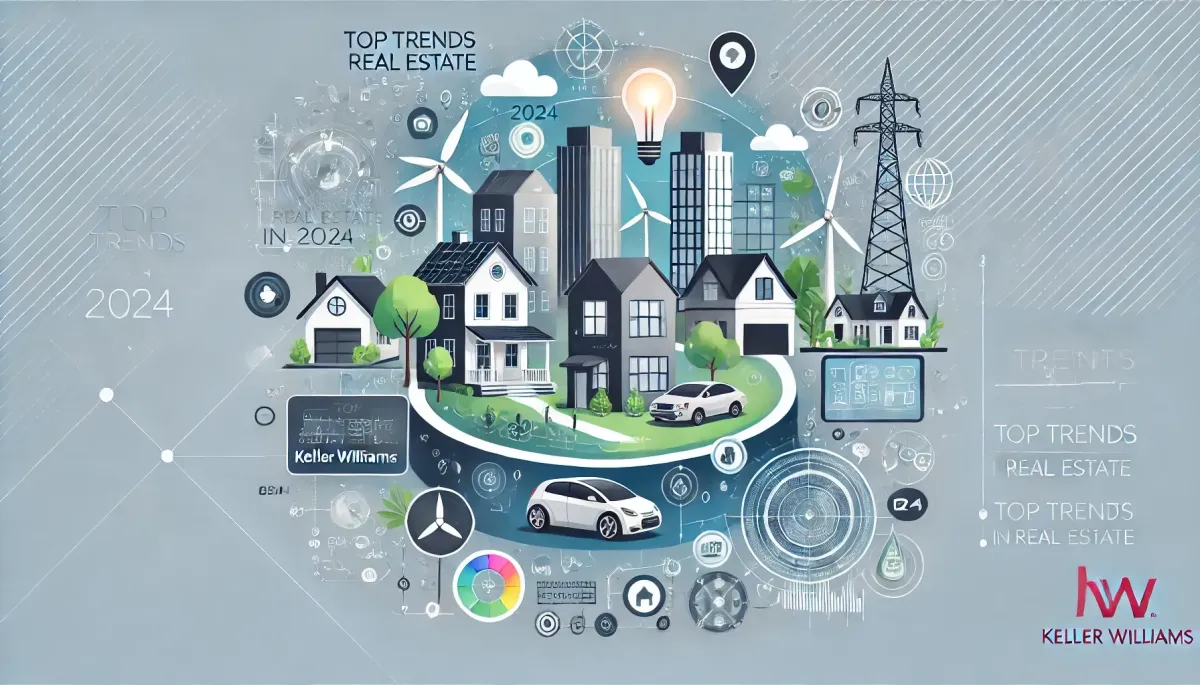
The real estate market is continually evolving, influenced by a myriad of factors ranging from technological advancements to shifting societal values. As we step into 2024, several key trends are poised to shape the industry in significant ways. This comprehensive exploration of the latest trends in real estate, drawing insights from Inman News, Homes.com, and Keller Williams, will provide a detailed understanding of the forces at play.
1. Technology Integration: Revolutionizing Real Estate
a. Artificial Intelligence and Machine Learning
Artificial intelligence (AI) and machine learning (ML) are transforming the way real estate professionals operate. From predictive analytics that forecast market trends to chatbots providing instant customer service, AI and ML are making processes more efficient and data-driven. Real estate firms are leveraging these technologies to better understand customer preferences, optimize property listings, and enhance decision-making.
b. Virtual and Augmented Reality
Virtual reality (VR) and augmented reality (AR) have become essential tools in real estate marketing. These technologies enable potential buyers to take virtual tours of properties from the comfort of their homes. AR, on the other hand, allows for interactive experiences, such as visualizing furniture placement and interior design changes in real time. These immersive experiences not only save time but also broaden the reach to international buyers.
c. Blockchain Technology
Blockchain is gaining traction in real estate for its ability to streamline transactions and enhance security. Smart contracts, powered by blockchain, ensure transparency and reduce the need for intermediaries, thereby lowering transaction costs and speeding up the process. Additionally, blockchain’s immutable ledger provides a secure way to handle property records and prevent fraud.
2. Sustainability: Green Buildings and Eco-Friendly Practices
a. Energy-Efficient Homes
Energy efficiency remains a top priority for homebuyers and builders alike. Homes with energy-efficient features such as solar panels, high-efficiency HVAC systems, and smart thermostats are in high demand. These features not only reduce utility bills but also minimize the carbon footprint, appealing to environmentally conscious buyers.
b. Sustainable Building Materials
The use of sustainable building materials is becoming more prevalent. Recycled steel, bamboo, reclaimed wood, and low-VOC (volatile organic compounds) paints are just a few examples. These materials are not only eco-friendly but also contribute to healthier indoor environments. Builders and developers are increasingly adopting these materials to meet green building certifications and attract eco-minded buyers.
c. Water Conservation
Water conservation measures are gaining importance in residential and commercial properties. Low-flow fixtures, rainwater harvesting systems, and drought-resistant landscaping are being incorporated to reduce water usage. These practices are particularly crucial in regions facing water scarcity and are becoming standard features in sustainable developments.
3. Market Dynamics: Shifts in Buyer Preferences and Investment Strategies
a. Rise of Remote Work and Suburban Living
The shift towards remote work, accelerated by the COVID-19 pandemic, continues to influence housing trends. Many employees now prefer larger homes with dedicated office spaces, often located in suburban or rural areas. This trend has led to increased demand for properties in less densely populated regions, driving up prices and stimulating local economies.
b. Multi-Generational Living
Multi-generational living is on the rise, with families choosing to live together under one roof. This trend is driven by cultural shifts, economic considerations, and the desire for closer family connections. Homes with flexible floor plans, in-law suites, and additional living spaces are particularly appealing to multi-generational buyers.
c. Real Estate as a Hedge Against Inflation
Real estate continues to be seen as a reliable hedge against inflation. With rising inflation rates, investors are turning to real estate to preserve and grow their wealth. Both residential and commercial properties are viewed as stable investments that provide rental income and potential appreciation, making them attractive in uncertain economic times.
4. Urban Development: Smart Cities and Mixed-Use Spaces
a. Smart City Initiatives
Smart cities, characterized by the integration of technology and data analytics to improve urban living, are becoming a focal point in urban development. These initiatives encompass everything from intelligent traffic management systems to energy-efficient buildings and enhanced public services. Real estate developments within smart cities are highly sought after for their convenience, sustainability, and improved quality of life.
b. Mixed-Use Developments
Mixed-use developments, combining residential, commercial, and recreational spaces, are increasingly popular. These developments offer the convenience of having everything within walking distance, reducing the need for commuting and promoting a vibrant, community-oriented lifestyle. Mixed-use spaces are particularly appealing in urban areas where space is limited and maximizing land use is crucial.
5. Affordability and Housing Supply Challenges
a. Affordable Housing Initiatives
The demand for affordable housing continues to outpace supply, leading to various initiatives aimed at addressing this issue. Governments and private developers are exploring innovative solutions such as modular homes, micro-apartments, and community land trusts to provide affordable options for low- and middle-income families.
b. Housing Supply Constraints
Supply chain disruptions, labor shortages, and rising material costs have contributed to a significant housing supply shortage. These constraints have led to increased home prices and rental rates, making it challenging for buyers and renters to find affordable options. Addressing these supply issues is critical to ensuring a balanced and accessible real estate market.
6. Health and Wellness: Prioritizing Well-Being in Home Design
a. Healthy Home Features
Homebuyers are increasingly prioritizing health and wellness features in their purchasing decisions. Homes equipped with air purification systems, non-toxic building materials, ample natural light, and spaces for exercise and relaxation are highly desirable. These features contribute to better indoor air quality and overall well-being, reflecting a growing awareness of the impact of living environments on health.
b. Biophilic Design
Biophilic design, which integrates natural elements into the built environment, is gaining popularity. This design approach emphasizes the connection between humans and nature, incorporating features such as green walls, indoor plants, natural materials, and outdoor living spaces. Biophilic design enhances mental and physical well-being and is becoming a key consideration in both residential and commercial properties.
7. Demographic Shifts: Catering to Diverse Buyer Groups
a. Millennials and Gen Z Buyers
Millennials and Gen Z are emerging as significant forces in the real estate market. These tech-savvy and environmentally conscious buyers are looking for homes that offer smart technology, sustainability, and flexible living spaces. Understanding the preferences and values of these demographic groups is crucial for real estate professionals aiming to attract and serve them effectively.
b. Aging Population and Senior Housing
The aging population is driving demand for senior housing and age-friendly communities. Features such as single-level living, accessible design, proximity to healthcare services, and social amenities are highly valued by senior buyers. Real estate developers are responding to this demand by creating communities that cater specifically to the needs and preferences of older adults.
Conclusion
The real estate market in 2024 is shaped by a dynamic interplay of technological advancements, sustainability initiatives, shifting market dynamics, and evolving buyer preferences. Embracing these trends is essential for real estate professionals, investors, and developers looking to stay ahead in a competitive landscape. By leveraging technology, promoting sustainability, and understanding the changing needs of buyers, the real estate industry can continue to thrive and adapt to the challenges and opportunities of the future.